In Cebu's urban areas, temperatures can be 3–5°C higher than in surrounding rural areas — a phenomenon called the urban heat island effect. Concrete, asphalt, and lack of greenery trap heat during the day and release it at night. But you can fight back by creating microclimates — small, cooler zones in your own yard.
What Is a Microclimate?
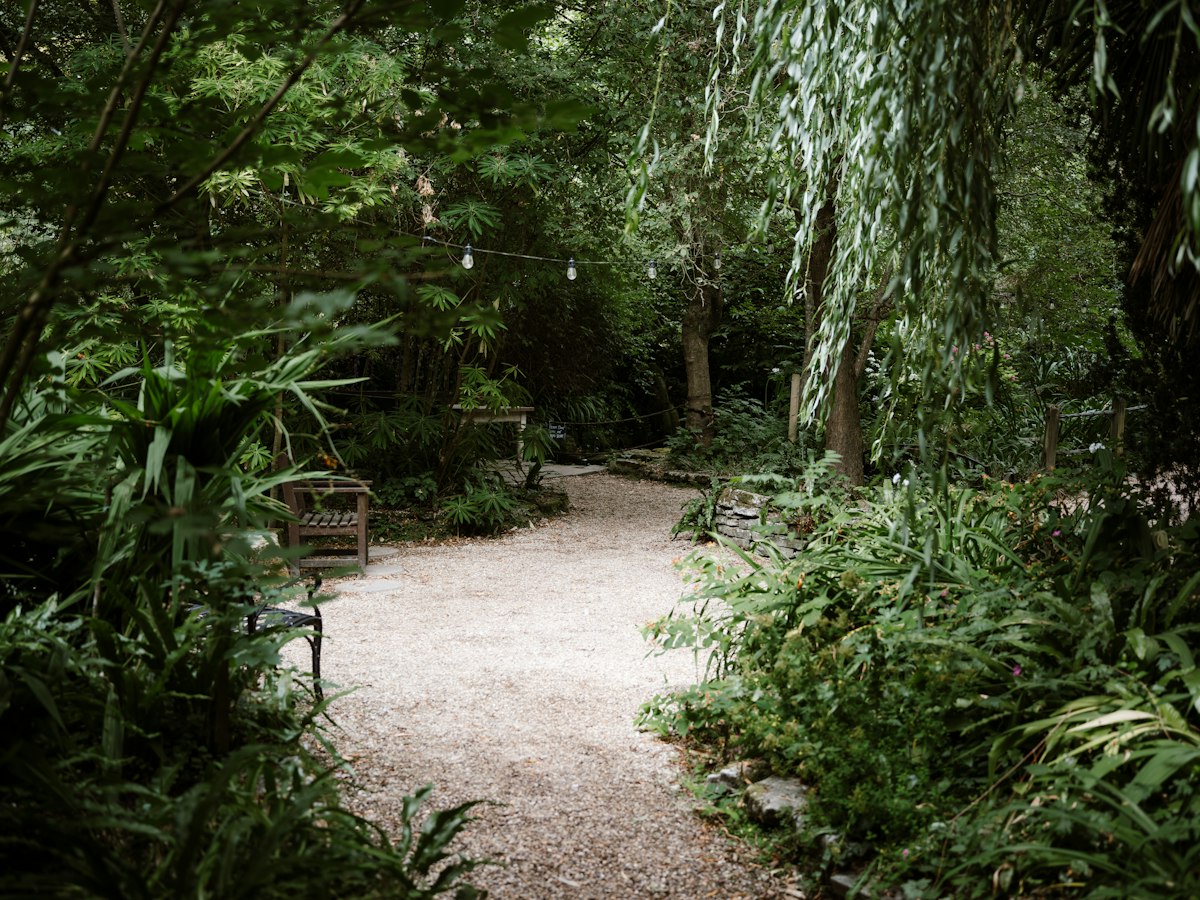
A microclimate is a small area where the temperature, humidity, and wind differ from the surrounding area. By strategically placing shade, plants, and water features, you can create a zone that's significantly cooler than the rest of your property.
5 Simple Ways to Create Cool Microclimates
1. Shade Sails ☀️
Shade sails are large, tensioned fabric panels that block the sun while allowing air to flow underneath. They're cheap, easy to install, and can reduce temperatures underneath by 5–10°C.
How to install:
- Buy a shade sail (available on Shopee/Lazada, ₱500–2,000)
- Anchor to walls, posts, or trees at different heights
- Angle slightly to allow rain to run off
- Position over patios, seating areas, or vegetable beds
2. Misting Systems 💧
A simple misting system can lower air temperature by 5–15°C through evaporative cooling. You don't need fancy equipment — a garden hose with a misting nozzle works.
DIY misting setup:
- Buy a misting nozzle (₱100–300 at hardware stores)
- Attach to a garden hose or PVC pipe
- Position above seating areas or pathways
- Turn on during the hottest part of the day
How it works: When fine water droplets evaporate, they absorb heat from the air. This is the same principle that makes sweating cool you down.
3. Potted Plant Barriers 🪴
A dense row of potted plants on a hot wall or patio can:
- Block radiant heat from walls
- Cool the air through transpiration
- Create a visual screen
- Be moved as needed
Best plants for cooling:
- Large-leafed plants (banana, gabi, elephant ear)
- Dense shrubs (san Francisco, croton)
- Tall grasses (lemongrass, vetiver)
4. Water Features 🏞️
Even a small water feature can cool the surrounding air. Moving water evaporates continuously, creating a steady cooling effect.
Simple options:
- A small fountain (solar-powered, ₱500–2,000)
- A shallow bowl with water and floating plants
- A small pond (even a tub pond works)
5. Ground Cover Instead of Concrete 🌱
Replacing concrete or bare soil with ground cover plants can significantly reduce surface temperatures. Bare soil can reach 50°C+ in direct sun. Covered soil stays closer to 30°C.
Best ground covers for Cebu:
- Carabao grass — native, hardy, handles foot traffic
- Peanut plant (Arachis pintoi) — low-growing, attractive
- Sweet potato (camote) — fast-growing, edible
Combining Strategies for Maximum Effect
The real magic happens when you combine multiple strategies:
- Shade sail overhead blocks direct sun
- Misting system cools the air below
- Potted plants around the perimeter block radiant heat
- Water feature adds continuous evaporative cooling
- Ground cover keeps the floor cool
A well-designed microclimate can be 10–15°C cooler than the surrounding area — making outdoor spaces usable even during Cebu's hottest afternoons.
Where to Create Microclimates
- Patios and seating areas — where you relax
- Vegetable gardens — protect plants from heat stress
- Children's play areas — keep kids safe from heat
- Pet areas — keep animals comfortable
- Near windows — cool the air before it enters your home
The ripple effect: Every cool zone you create is one less area where you need air conditioning. And every plant you add cools the air for your neighbors too.
The Bigger Picture
Urban heat islands aren't just uncomfortable — they're dangerous. Extreme heat can cause heatstroke, worsen air quality, and increase energy demand. By creating microclimates, you're not just cooling your own yard — you're contributing to a cooler, more livable city.
Imagine if every household in your barangay had a shaded, planted outdoor space. The combined effect would significantly reduce the urban heat island effect, making the whole community cooler and more comfortable.
It starts with one shade sail, one row of potted plants, one small water feature. Before you know it, you've created an oasis — and your neighbors will want to know how you did it.