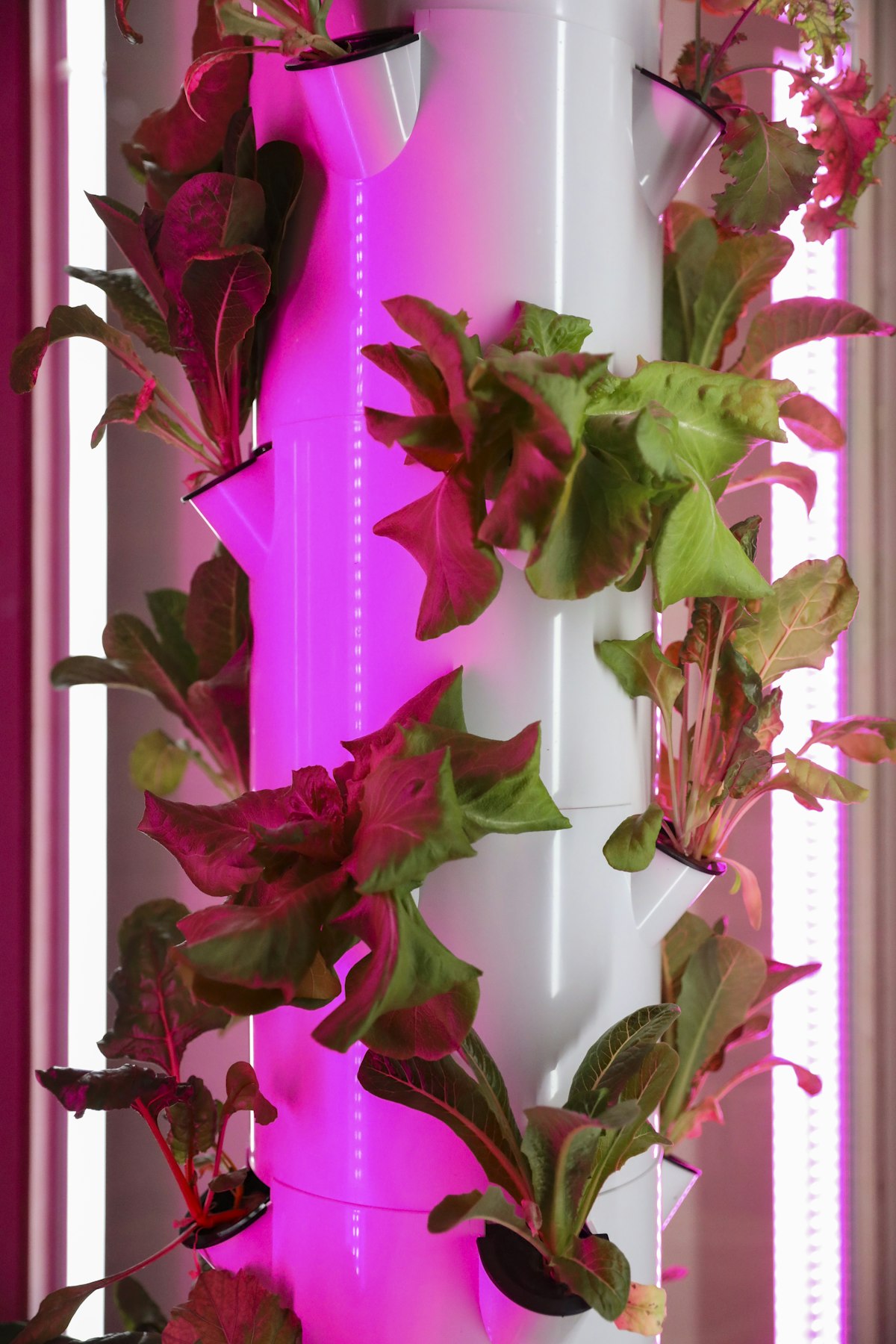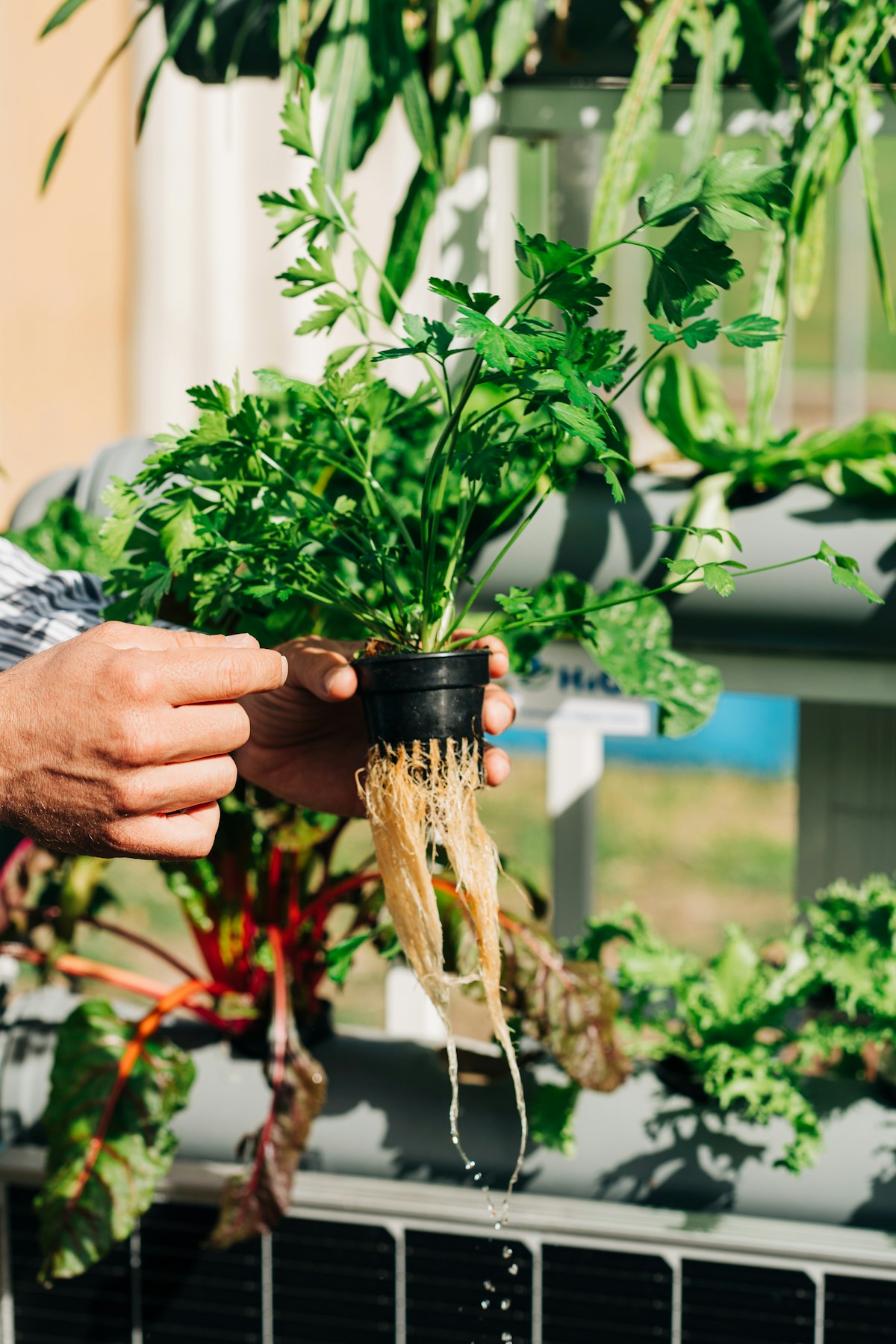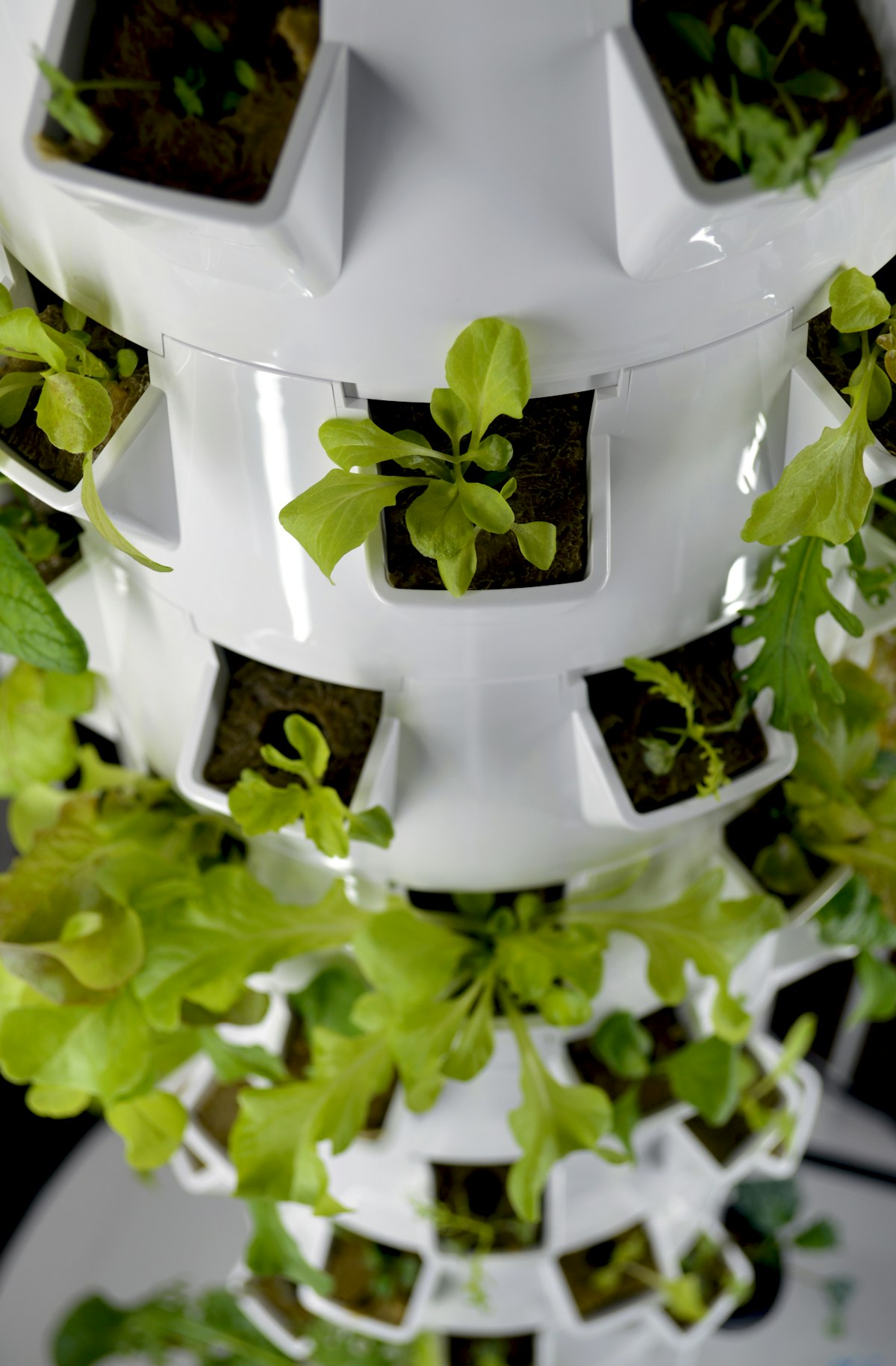
Hydroponics sounds high-tech, but it's actually one of the oldest growing methods around. The basic idea is simple: grow plants in nutrient-rich water instead of soil. No dirt, no weeds, less water, and faster growth. Here's how the three most popular home methods compare.
Why Hydroponics?
- Uses 90% less water than soil gardening
- Faster growth — nutrients are directly available
- No weeds — no soil means no weed seeds
- Space-efficient — grow vertically
- No soil-borne pests
- Works anywhere — balcony, rooftop, indoor with lights
Method 1: The Kratky Method (Passive)
The simplest hydroponics method. No pumps, no electricity, no moving parts. The plant roots sit in nutrient solution that gradually drops as the plant drinks, creating an air gap for oxygen.
How it works:
- Fill a container with nutrient solution
- Float a plant in a net pot on top
- Walk away — the plant does the rest
Pros:
- ✅ Zero electricity needed
- ✅ Cheapest method (just a container + nutrients)
- ✅ Almost zero maintenance
- ✅ Perfect for beginners
Cons:
- ❌ Not for large/long-term plants
- ❌ One-time fill — can't adjust nutrients mid-grow
- ❌ Best for leafy greens only
Best for: Lettuce, pechay, kangkong, herbs
Method 2: Deep Water Culture (DWC)
Similar to Kratky, but with an air pump that constantly oxygenates the water. The extra oxygen supports bigger, faster-growing plants.
How it works:
- Fill a reservoir with nutrient solution
- Add an air pump and air stone (like a fish tank)
- Plants sit in net pots with roots submerged
- Pump runs 24/7, keeping water oxygenated
Pros:
- ✅ Very fast growth (extra oxygen = explosive roots)
- ✅ Simple to understand
- ✅ Good for a wide range of plants
- ✅ Affordable setup
Cons:
- ❌ Needs electricity (air pump)
- ❌ Pump failure can drown plants quickly
- ❌ Water temp matters (keep it cool)
Best for: Lettuce, herbs, tomatoes, peppers, cannabis
Method 3: Nutrient Film Technique (NFT)
A continuous flow method where a thin film of nutrient solution flows through a sloped channel, bathing the roots. Excess flows back to a reservoir and is recirculated.
How it works:
- Plants sit in a horizontal pipe with holes
- A pump continuously flows nutrient solution through the pipe
- Roots dangle in the flowing film
- Solution drains back to reservoir and recirculates
Pros:
- ✅ Very efficient — uses minimal water and nutrients
- ✅ Highly scalable — stack channels vertically
- ✅ Excellent for commercial production
- ✅ Very fast growth
Cons:
- ❌ Most complex setup
- ❌ Needs electricity (pump)
- ❌ Pump failure = plants dry out fast
- ❌ Sensitive to temperature and flow rate
Best for: Lettuce, herbs, strawberries, leafy greens
Comparison Table
| Feature | Kratky | DWC | NFT | |---------|--------|-----|-----| | Difficulty | Very easy | Easy | Moderate | | Cost | ₱200–500 | ₱500–1,500 | ₱1,500–5,000 | | Electricity | None | Air pump | Water pump | | Maintenance | Minimal | Low | Medium | | Plant types | Leafy greens | Most plants | Leafy greens | | Scalability | Low | Medium | High |
Which Method Is Right for You?
Choose Kratky if:
- You're a complete beginner
- You want the cheapest option
- You have no electricity available
- You only want to grow leafy greens
Choose DWC if:
- You want fast growth
- You want to grow a variety of plants
- You have a reliable power source
- You want a balance of simplicity and performance
Choose NFT if:
- You want to scale up production
- You're comfortable with more complex setups
- You want maximum efficiency
- You have a larger budget
Cebu tip: In our warm climate, water temperature can be an issue (roots prefer cool water). Keep your reservoir in a shaded spot, and consider adding frozen water bottles during the hottest part of the day.
Getting Started
The easiest way to start is Kratky with lettuce:
- Get a plastic container with a lid
- Cut a hole in the lid for a net pot
- Fill with nutrient solution (follow package instructions)
- Plant a lettuce seedling in the net pot
- Place in a sunny spot
- Harvest in 4–6 weeks
Total cost: under ₱500. Total effort: almost zero. And you'll be eating your own hydroponic lettuce in a month.