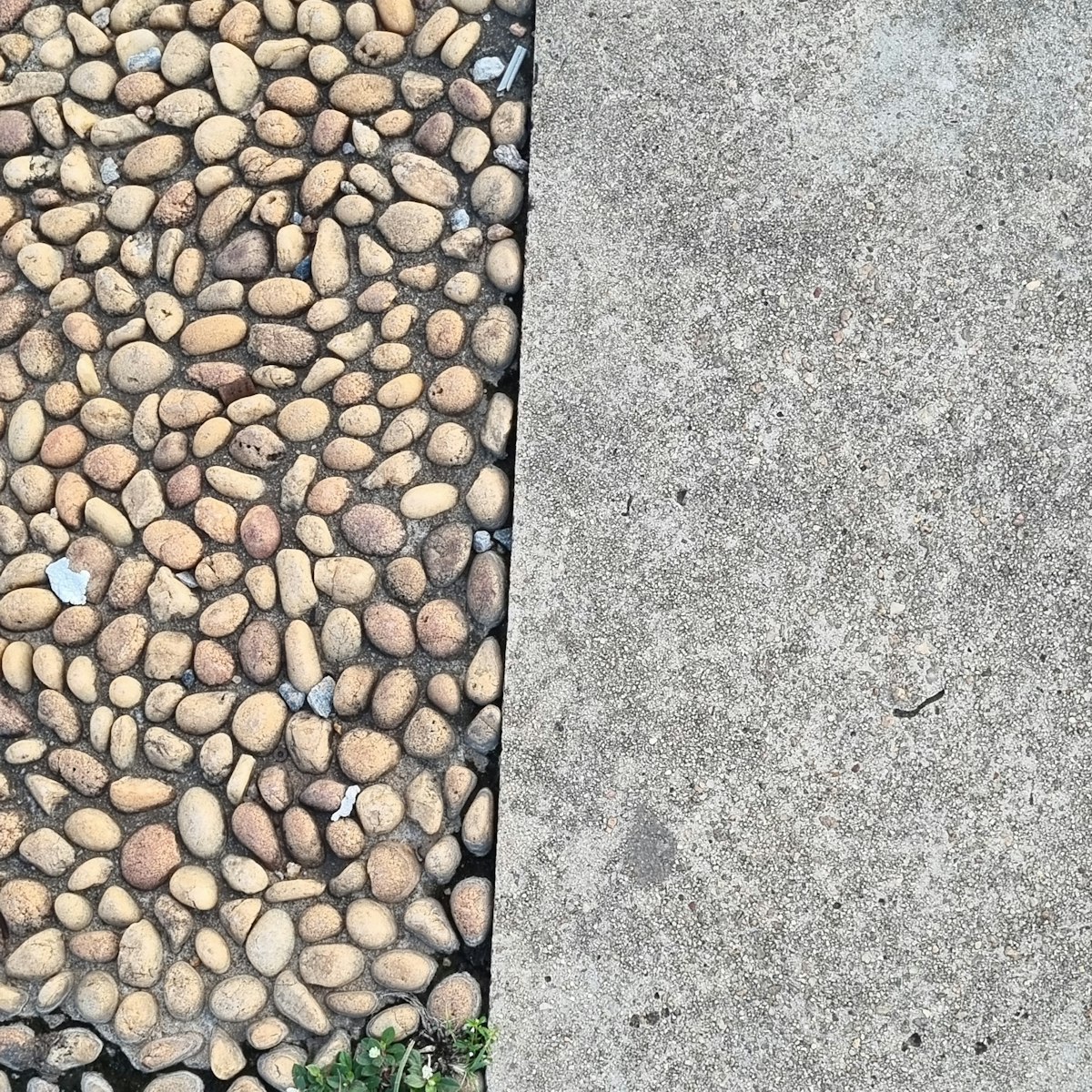
Ever notice how water pools on concrete driveways and paths during a Cebu downpour? That's because concrete is impermeable — water can't pass through it. Every square meter of concrete sends rainwater rushing into the street, contributing to flooding and overwhelming drainage systems.
The Problem with Concrete
In a natural landscape, rain soaks into the ground. But when we pave over everything with concrete and asphalt, that water has nowhere to go. Instead of being absorbed, it:
- Floods streets and properties
- Carries pollutants into waterways
- Overwhelms drainage systems
- Depletes groundwater (water runs off instead of soaking in)
The Solution: Permeable Surfaces
Permeable landscaping uses surfaces that allow water to pass through into the ground below. This reduces runoff, prevents flooding, and recharges groundwater — all while providing a functional walkway or patio.
4 Permeable Options for Your Home
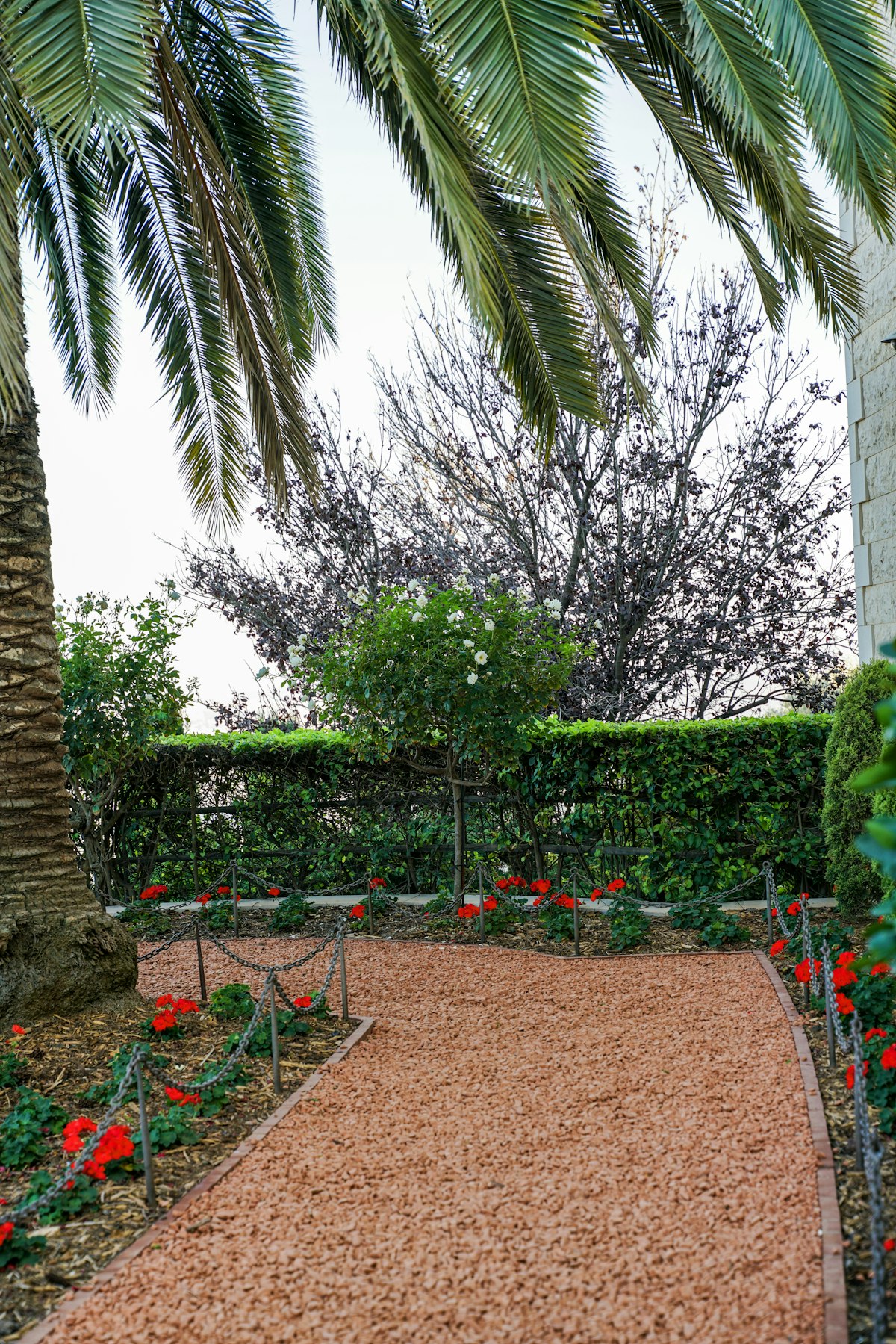
1. Gravel and Pebbles 🪨
The simplest and cheapest option. Gravel allows water to drain instantly and comes in various colors and sizes. It works great for:
- Garden paths
- Driveways (use a stabilizing grid underneath)
- Patio areas
- Drainage areas
Pros: Cheap, easy DIY, excellent drainage Cons: Can shift, needs occasional top-up, not ideal for wheelchairs
2. Permeable Pavers 🧱
These look like regular pavers but have gaps between them filled with gravel or ground cover plants. Water drains through the gaps while the surface stays solid and walkable.
Pros: Looks like normal paving, very durable, wheelchair-friendly Cons: More expensive than gravel, requires proper installation
3. Ground Cover Plants 🌱
Replace solid paths with stepping stones surrounded by ground cover. The plants absorb water, prevent erosion, and look beautiful. Good ground covers for Cebu:
- Carabao grass — native, hardy, handles foot traffic
- Peanut plant (Arachis pintoi) — low-growing, yellow flowers
- Sweet potato (Camote) — fast-growing, edible
Pros: Beautiful, absorbs water, cools the area Cons: Needs maintenance, not for heavy traffic
4. Permeable Concrete 🏗️
Yes, concrete can be permeable! Pervious concrete has large voids that allow water to drain through. It looks like regular concrete but acts like a sponge. It's more expensive but excellent for driveways and parking areas.
Pros: Looks like normal concrete, very durable, excellent drainage Cons: Expensive, needs professional installation
The impact: Replacing just 20 square meters of concrete with a permeable surface can absorb thousands of liters of rainwater per year that would otherwise contribute to flooding.
Getting Started
You don't need to redo your whole yard. Start with one area:
- Identify your worst flooding spot — where does water pool during heavy rain?
- Choose the right material — gravel for low-traffic, pavers for high-traffic
- Remove the concrete — break it up (you can recycle it as fill)
- Install the permeable surface — add a gravel base for drainage
- Add plants — ground cover between stepping stones looks great
The Bigger Picture
In Cebu, rapid urbanization has covered much of the ground in impermeable surfaces. Every square meter we convert to permeable landscaping is a small but meaningful step toward:
- Less flooding in our streets and homes
- Cleaner waterways — less polluted runoff
- Healthier groundwater — depleted aquifers recharge
- Cooler cities — permeable surfaces absorb less heat than concrete
It starts with one path. Imagine if every household in your barangay replaced just their driveway with a permeable surface. The collective impact would be enormous.