Walk through any barangay in Cebu on garbage collection day and you'll see the same thing: mixed bags of waste, much of it biodegradable, heading to a landfill. But here's the thing — it doesn't have to go there.
The Law You Might Not Know About
Republic Act 9003, the Ecological Solid Waste Management Act of 2000, requires every barangay to establish a Materials Recovery Facility (MRF) and implement waste segregation at source. It's been law for over 20 years.
Yet in many barangays, biodegradable waste — the easiest type to manage locally — still ends up in general collection. Why? Because most barangays don't have a system to process it.
The Problem with Landfills
When biodegradable waste goes to a landfill, it decomposes without oxygen, producing methane — a greenhouse gas 80 times more potent than CO₂ in the short term. Philippine landfills are major methane emitters, and our cities are running out of landfill space.
But when biodegradable waste is composted with oxygen (aerobic composting), it produces almost no methane — and creates valuable compost instead.
What a Barangay Can Do
1. Segregate at Source
The first step is simple: separate biodegradable (nabubulok) from non-biodegradable (di-nabubulok) waste at the household level. Many barangays already require this, but enforcement varies.
2. Establish a Community Composting System
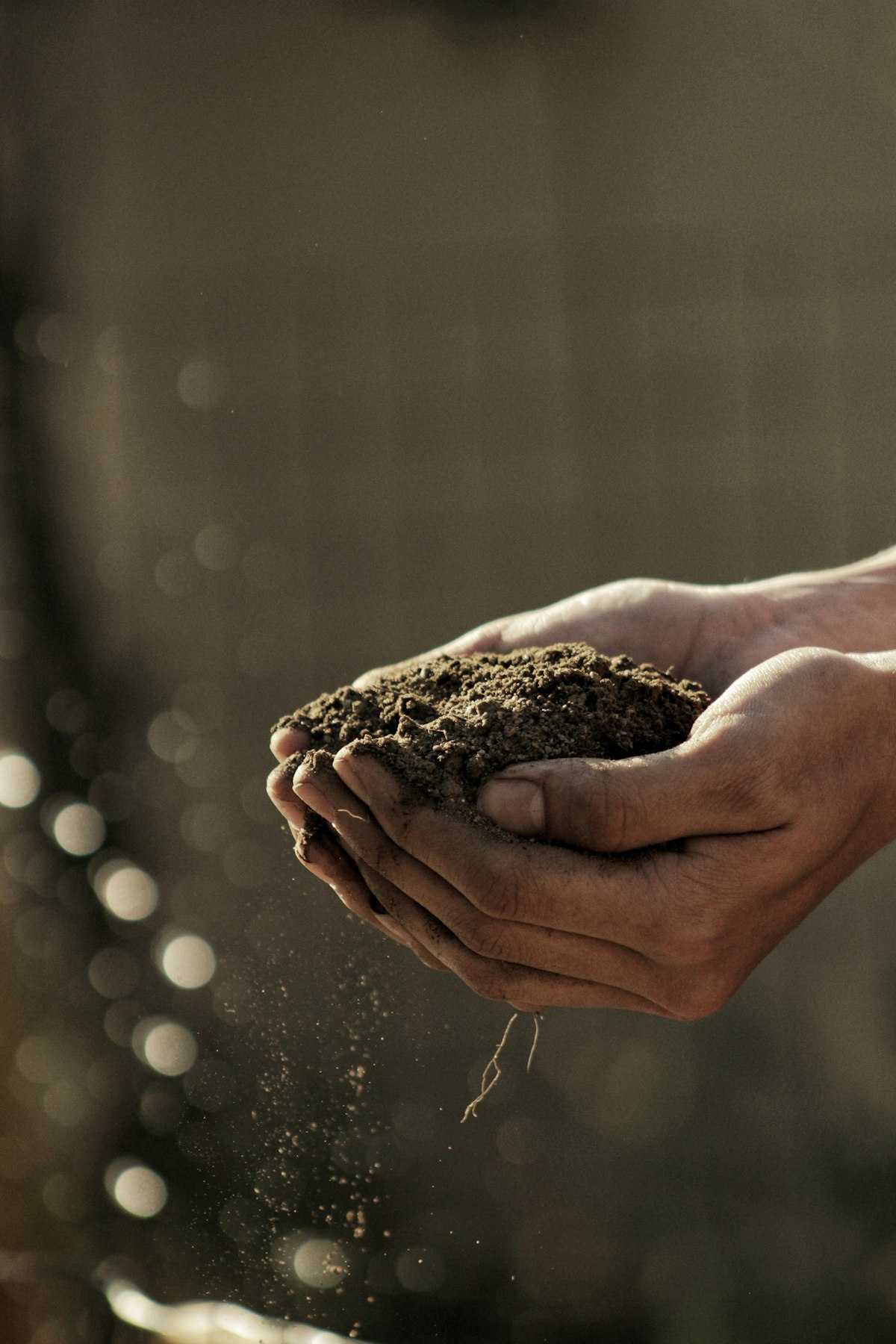
A barangay MRF can include a composting area where biodegradable waste is turned into compost. This compost can be used for community gardens, sold to farmers, or distributed to residents.
3. Partner with Programs Like Circula
This is where Circula comes in. We help barangays set up women-led clusters that collect biodegradable waste and transform it into high-value compost and liquid enzymes. The cluster earns income, the barangay reduces its waste, and everyone benefits.
The numbers: A single Circula cluster can divert 50–60% of a barangay's biodegradable waste from landfills — while creating livelihood for 5 women.
The Economic Case
It's not just about the environment. Managing biodegradable waste locally saves money:
- Reduced hauling costs — less waste means fewer truck trips
- Reduced tipping fees — less waste going to landfills
- New revenue — compost and enzymes can be sold
- Job creation — waste management creates local employment
What You Can Do
If you're a barangay captain or official:
- Audit your current waste management system
- Identify biodegradable waste streams
- Explore partnerships with programs like Circula
- Educate residents on segregation
If you're a resident:
- Start segregating at home
- Start composting your kitchen waste
- Talk to your barangay about biodegradable waste solutions
- Nominate your barangay for a Circula cluster
The Bottom Line
Biodegradable waste isn't a problem to be managed — it's a resource to be captured. Every barangay that composts its biodegradable waste is reducing emissions, saving money, and creating value. The question isn't whether we can afford to do it — it's whether we can afford not to.