You want to compost your kitchen scraps, but you live in an apartment or condo with no yard. You've heard of two methods that work in small spaces: Bokashi and vermicomposting. Both are odorless. Both are compact. But which one is right for you?
What Is Bokashi?
Bokashi is a fermentation method developed in Japan. Instead of decomposing waste, you ferment it using effective microorganisms (EM) in an airtight container. The result is a pickled, acidic-smelling pre-compost that you then bury in soil to finish breaking down.
How it works:
- Add kitchen scraps to an airtight bucket
- Sprinkle with Bokashi bran (containing EM)
- Press out the air, seal tightly
- Drain liquid every few days (Bokashi tea — great fertilizer!)
- After 2 weeks, bury the fermented waste in soil
What Is Vermicomposting?
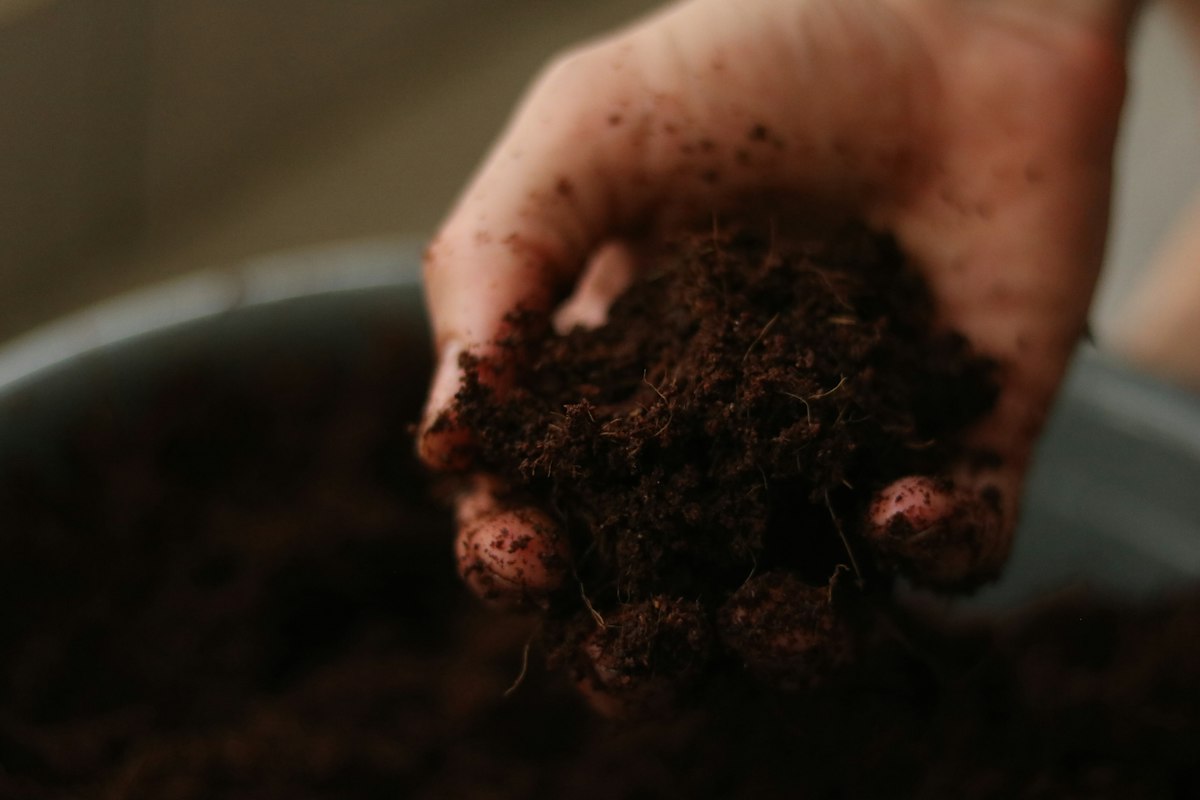
Vermicomposting uses worms (specifically red wigglers) to break down kitchen scraps. The worms eat the scraps and produce vermicast — a dark, nutrient-rich compost that's one of the best fertilizers you can get.
How it works:
- Set up a worm bin with bedding (shredded paper, coco coir)
- Add red wiggler worms
- Feed them kitchen scraps regularly
- Worms eat the scraps and produce vermicast
- Harvest the vermicast every 3–6 months
Head-to-Head Comparison
| Feature | Bokashi | Vermicomposting | |---------|---------|-----------------| | Space needed | Very small (bucket) | Small (bin) | | Speed | 2 weeks to ferment, 2–4 weeks in soil | 3–6 months to harvest | | Smell | Pickled/sour (contained) | Earthy (if done right) | | Can add meat/dairy? | ✅ Yes! | ❌ No | | Can add citrus/onion? | ✅ Yes! | ❌ No (worms hate it) | | End product | Pre-compost (needs soil) | Ready-to-use vermicast | | Liquid fertilizer | ✅ Bokashi tea | ✅ Worm tea | | Maintenance | Low (just add & seal) | Medium (feed & monitor) | | Startup cost | ~₱800 (bucket + bran) | ~₱1,500 (bin + worms) |
Which Is Right for You?
Choose Bokashi if:
- You have very limited space (a bucket fits under the sink)
- You want to compost meat, dairy, and citrus
- You don't mind burying the fermented waste in soil afterward
- You want fast results (2 weeks to ferment)
- You're on a budget (lower startup cost)
Choose Vermicomposting if:
- You want ready-to-use compost (no second step needed)
- You want the highest-quality compost (vermicast is premium)
- You have a garden or plants to use the compost on
- You don't mind avoiding meat, dairy, citrus, and onions
- You enjoy a more hands-on process
The Circula Connection: Our clusters use both methods at scale. Bokashi handles meat and dairy waste from community collection, while vermicomposting produces premium vermicast for sale. Both create zero waste and zero smell.
Can You Use Both?
Absolutely! Many composting enthusiasts use both: Bokashi for the stuff worms can't eat (meat, dairy, citrus), and vermicomposting for everything else. The fermented Bokashi waste can even be fed to worms after a brief resting period.
Getting Started in Cebu
- Bokashi kits are available online (Shopee, Lazada) for around ₱800–1,200
- Red wiggler worms are available from local breeders — search "African night crawler Cebu" on Facebook
- Both methods work great in Cebu's warm climate — in fact, the heat speeds things up
Whichever method you choose, you're keeping organic waste out of landfills and creating something valuable from your kitchen scraps. That's a win for you and a win for the planet.