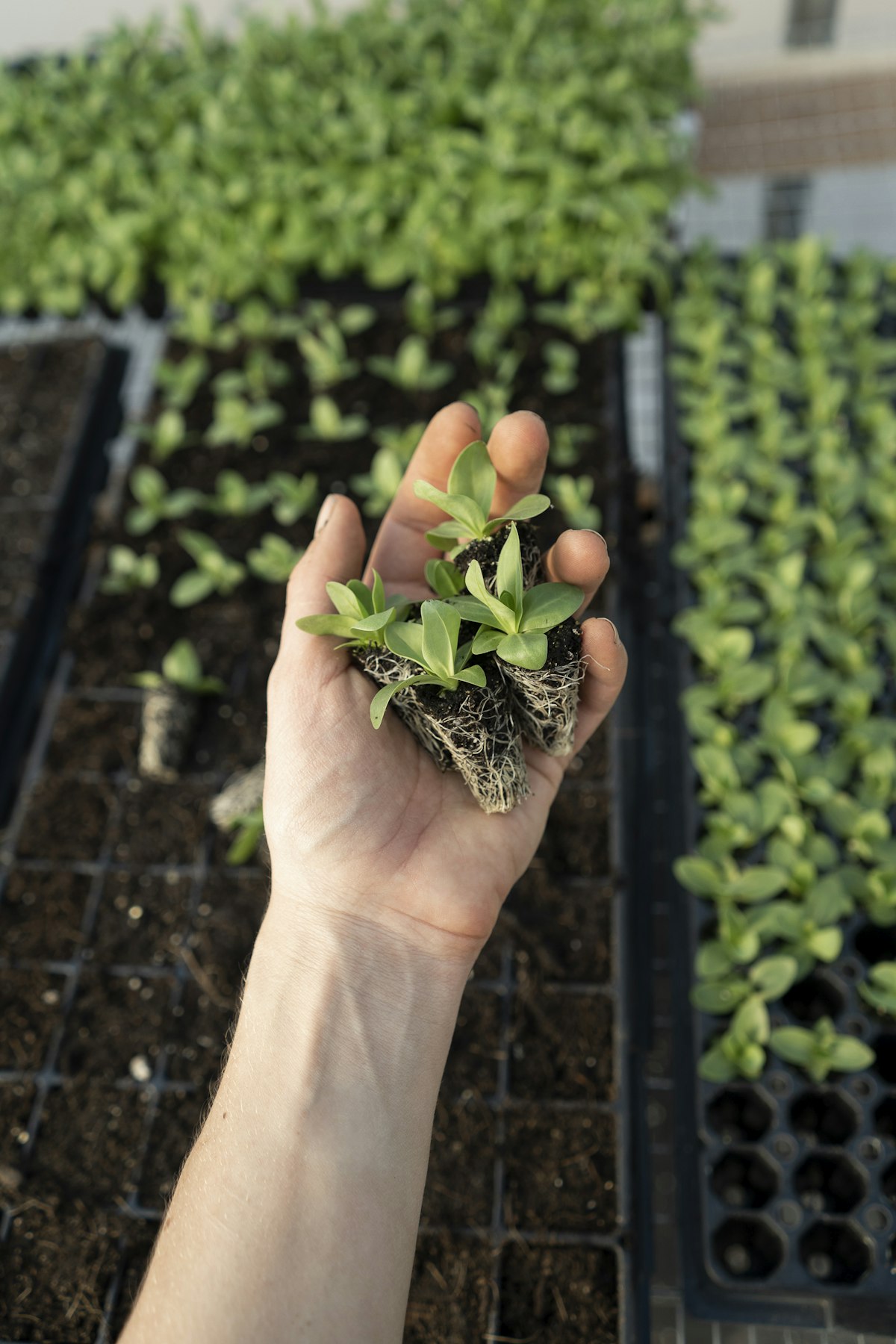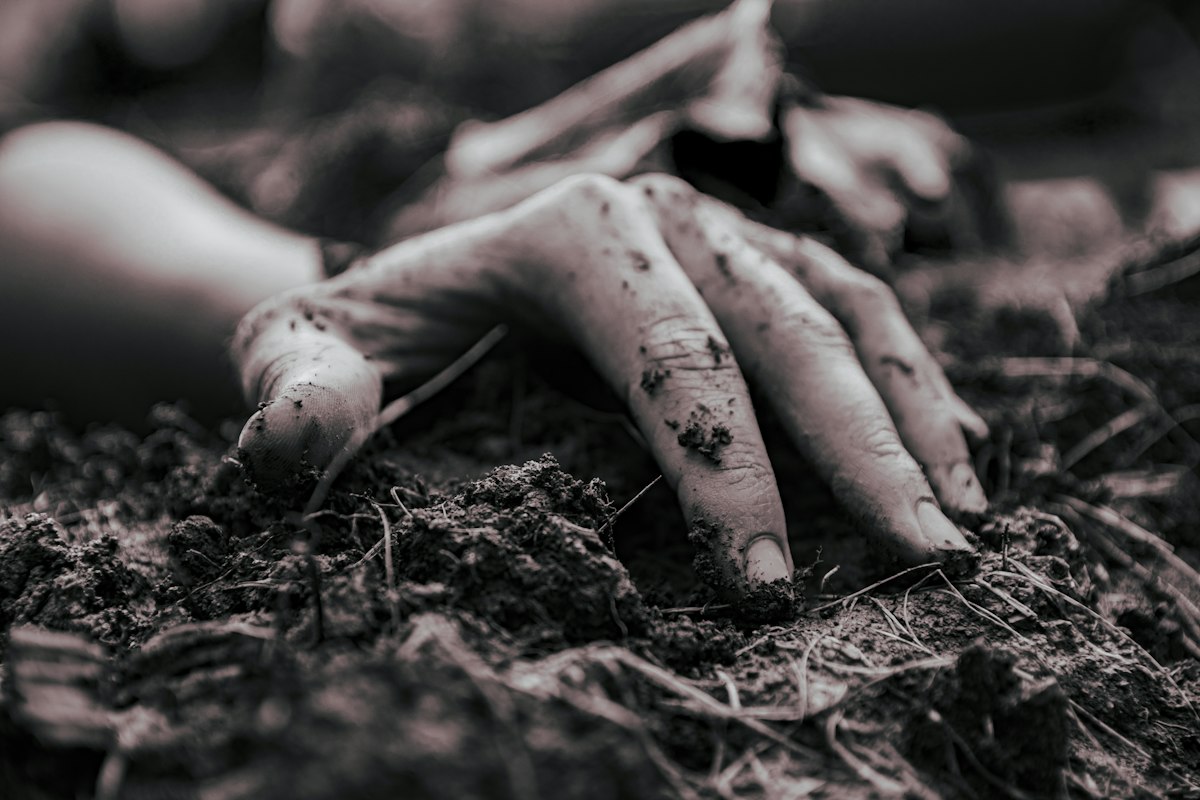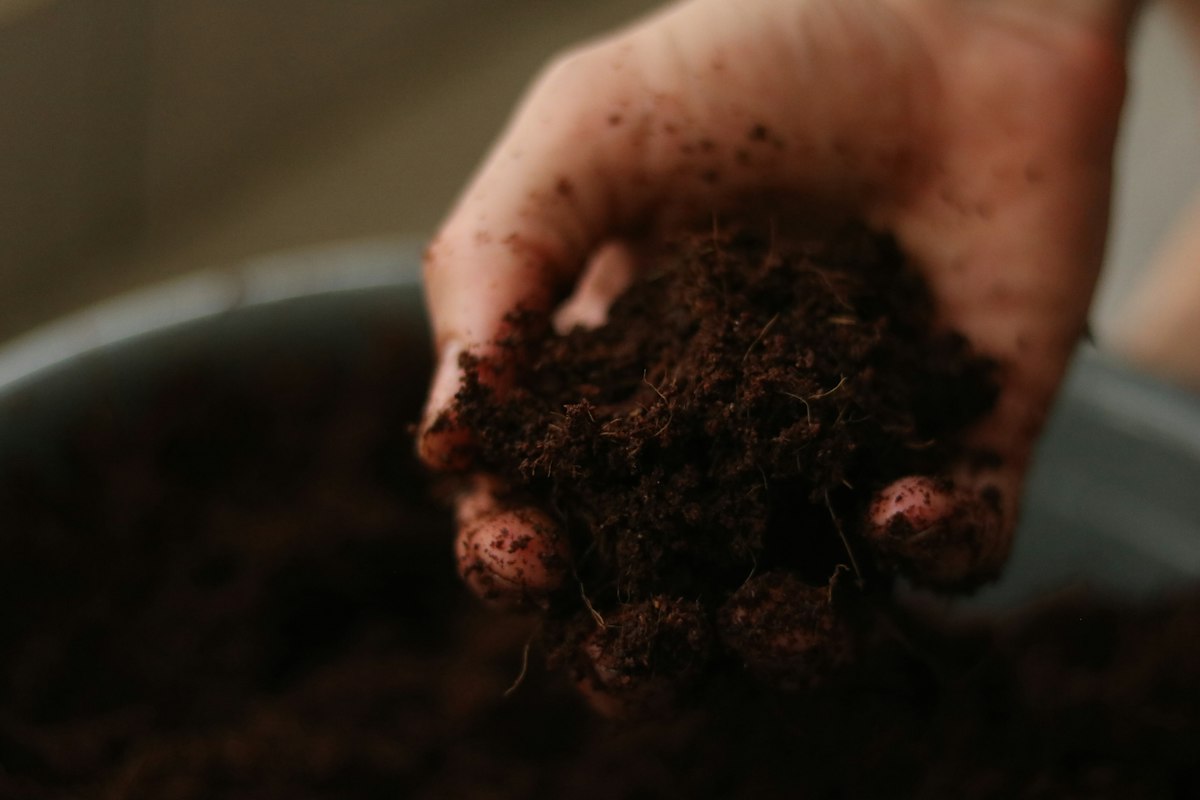
If you've ever thrown away a pile of kan-on (rice) scraps, mango peels, or kangkong stems and wondered "is there a better way?" — there is. And it's been sitting under your nose this whole time.
What Is Composting, Really?
Composting is nature's way of recycling. You take biodegradable waste — kitchen scraps, garden trimmings, leaves — and let microorganisms break it down into dark, crumbly, nutrient-rich soil called compost. It's basically free fertilizer, made from stuff you were going to throw away anyway.
In the Philippines, where over 50% of municipal waste is biodegradable, composting at home is one of the single most impactful things you can do for the environment.
What You Can Compost ✅
- Fruit and vegetable peels (mango, banana, calamansi — all good!)
- Coffee grounds and filters
- Eggshells
- Cooked rice (in small amounts)
- Garden trimmings and leaves
- Shredded cardboard and newspaper
What You Shouldn't Compost ❌
- Meat, bones, and fish (attracts pests)
- Dairy products
- Oily or greasy food
- Diseased plants
- Cat and dog waste
How to Start — Even in a Cebu Condo
You don't need a backyard. Here's a simple balcony composting method that works in our tropical climate:
- Get a container. A plastic bin with a lid works. Drill small holes for airflow.
- Layer it. Start with dry leaves or shredded paper at the bottom (your "browns"). Add kitchen scraps on top (your "greens").
- Keep it moist. It should feel like a wrung-out sponge — not too wet, not too dry.
- Turn it weekly. Mix it with a trowel to let oxygen in. This speeds things up.
- Wait 4–8 weeks. In Cebu's warm, humid climate, composting is faster than in cooler countries.
The Payoff
After a few weeks, you'll have dark, earthy-smelling compost. Use it for your potted plants, balcony garden, or give it to a neighbor who gardens. You've just:
- Diverted waste from Cebu's overflowing landfills
- Created free fertilizer worth real money
- Reduced methane emissions from decomposing food in landfills
Did you know? A single household composting their kitchen waste can divert 100+ kg of organic waste from landfills every year. Multiply that by a whole barangay, and the impact is enormous.
Common Mistakes to Avoid
- Too wet? Add more dry leaves or paper.
- Smelly? You probably added meat or dairy. Remove it and add dry browns.
- Not breaking down? Chop your scraps smaller and turn more often.
Composting isn't complicated — it's just nature doing what it does best, with a little help from you. Start small, be patient, and watch your trash turn into treasure.