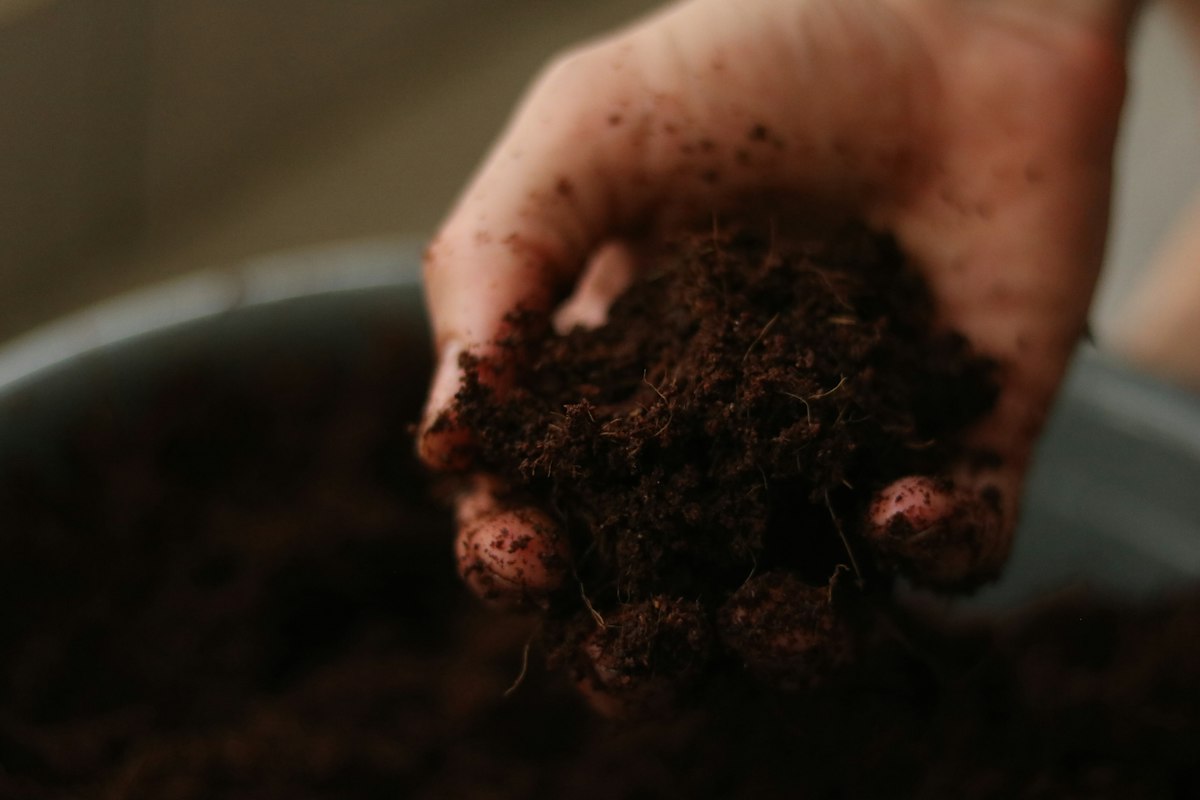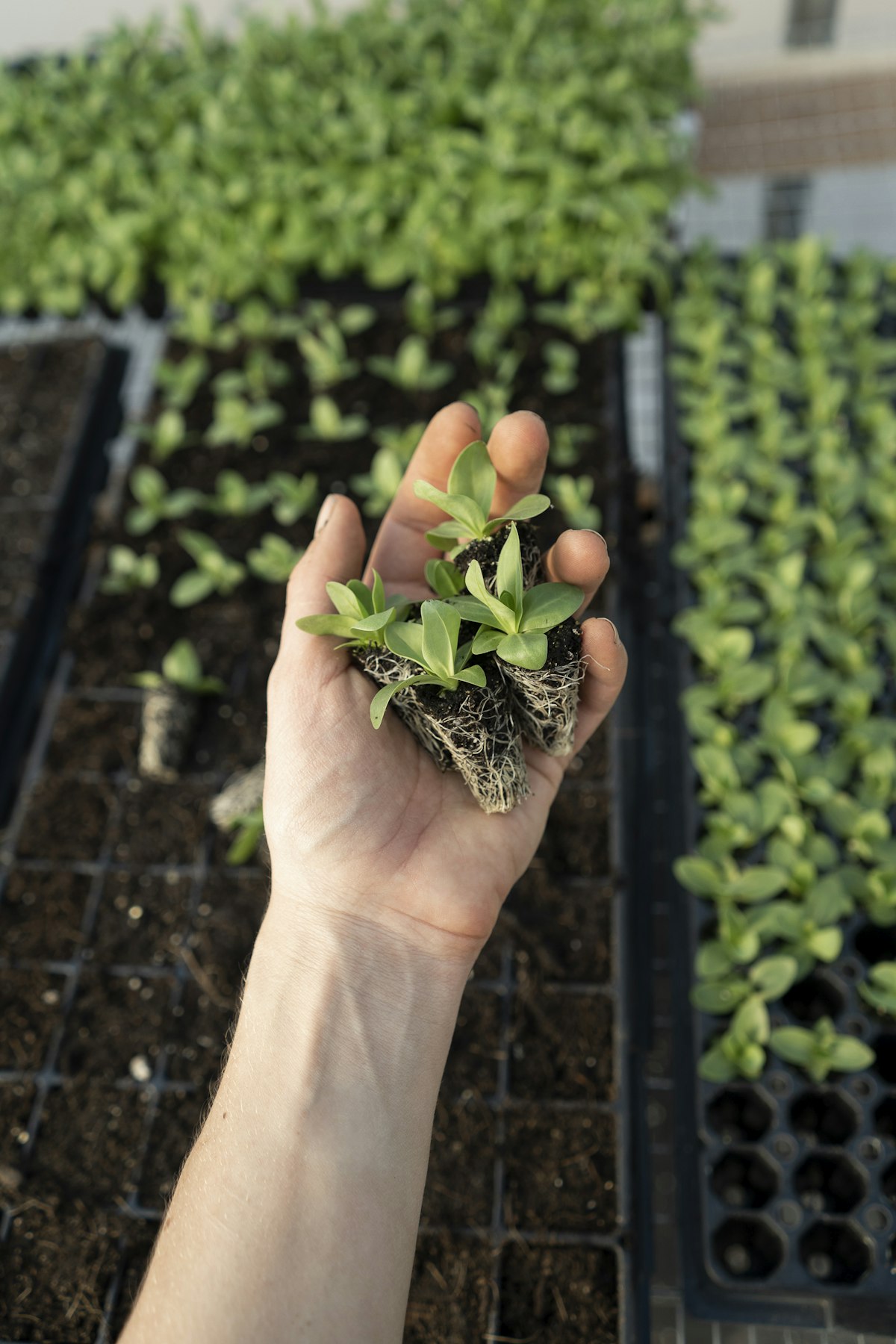
What if you could add something to your soil that lasts for hundreds of years, holds water like a sponge, stores carbon permanently, and boosts plant growth? You can. It's called biochar, and it's one of the most powerful soil amendments you've probably never heard of.
What Is Biochar?
Biochar is a charcoal-like substance made by heating wood, leaves, or other biomass in a low-oxygen environment (a process called pyrolysis). Unlike regular charcoal, biochar is specifically produced for soil amendment.
The result is a porous, carbon-rich material that:
- Stores carbon for hundreds to thousands of years
- Holds water — up to 5 times its weight
- Provides habitat for beneficial soil microbes
- Improves drainage in heavy soils
- Reduces nutrient leaching
Why Is Biochar Special?
Carbon Storage
When plants die and decompose, they release their carbon back into the atmosphere as CO₂. But when biomass is converted to biochar, that carbon is locked away for centuries. This makes biochar one of the few genuinely carbon-negative soil amendments — you're actively removing CO₂ from the atmosphere and putting it in the ground.
Water Retention
Biochar's porous structure acts like a sponge. It absorbs water during rain and releases it slowly during dry periods. In a country like the Philippines with distinct wet and dry seasons, this is invaluable.
Nutrient Holding
Biochar has a high cation exchange capacity (CEC), meaning it holds onto nutrients and releases them slowly to plants. This reduces the need for fertilizer and prevents nutrients from washing away.
Microbe Habitat
The tiny pores in biochar provide a perfect home for beneficial soil microbes. These microbes break down organic matter, make nutrients available to plants, and help prevent disease.
How to Make Biochar
You can buy biochar, but making it yourself is cheaper and more sustainable — especially if you have access to wood waste.
The Cone Method (Simple)
- Gather dry biomass — twigs, branches, coconut shells, dried leaves
- Start a fire at the bottom of a metal cone or pit
- Add biomass gradually from the top, letting it catch fire
- Let it burn until the smoke turns thin and blue
- Quench with water before it turns to ash
- Dry the biochar before using
The Retort Method (Cleaner)
- Fill a metal container with biomass and seal it (with a small vent)
- Place it in a fire — the heat causes the biomass to pyrolyze without burning
- Wait until no more gas comes out of the vent
- Let it cool before opening
Safety: Always make biochar outdoors, away from structures. The smoke is harmful to breathe — stay upwind.
How to Use Biochar in Your Garden
1. "Charge" It First
Raw biochar can initially absorb nutrients from your soil (taking them away from plants). To prevent this, charge it before use:
- Soak biochar in compost tea for 2 weeks
- Or mix it with compost and let it sit for 2–4 weeks
- Or soak it in liquid fertilizer overnight
2. Apply to Soil
- New beds: Mix 5–10% biochar into the top 15cm of soil
- Established beds: Sprinkle on the surface and gently work it in
- Potted plants: Mix 5% biochar into potting soil
- Compost pile: Add a handful of biochar to each layer
3. Don't Overdo It
A little biochar goes a long way. 5–10% by volume is plenty. Adding too much can make soil too alkaline.
Best Uses for Biochar in Cebu
- Sandy soils — biochar helps hold water and nutrients that would otherwise drain away
- Container gardens — mix into potting soil for better water retention
- Composting — add to your compost to capture nutrients and reduce odors
- Vermicomposting — sprinkle a thin layer in your worm bin
- Rain gardens — mix into the soil to improve drainage and water retention
The Circula Connection: Biochar is a natural fit for our clusters. Wood waste from community tree pruning can be converted to biochar, creating a carbon-negative soil amendment that can be sold alongside compost.
The Bigger Picture
Biochar is one of the few genuinely carbon-negative technologies we have. Every kilogram of biochar in the soil represents carbon that would otherwise be in the atmosphere as CO₂. If adopted widely, biochar could sequester billions of tons of carbon globally.
But it starts small — with a handful of charged biochar in your garden. You're not just growing plants. You're storing carbon for centuries.